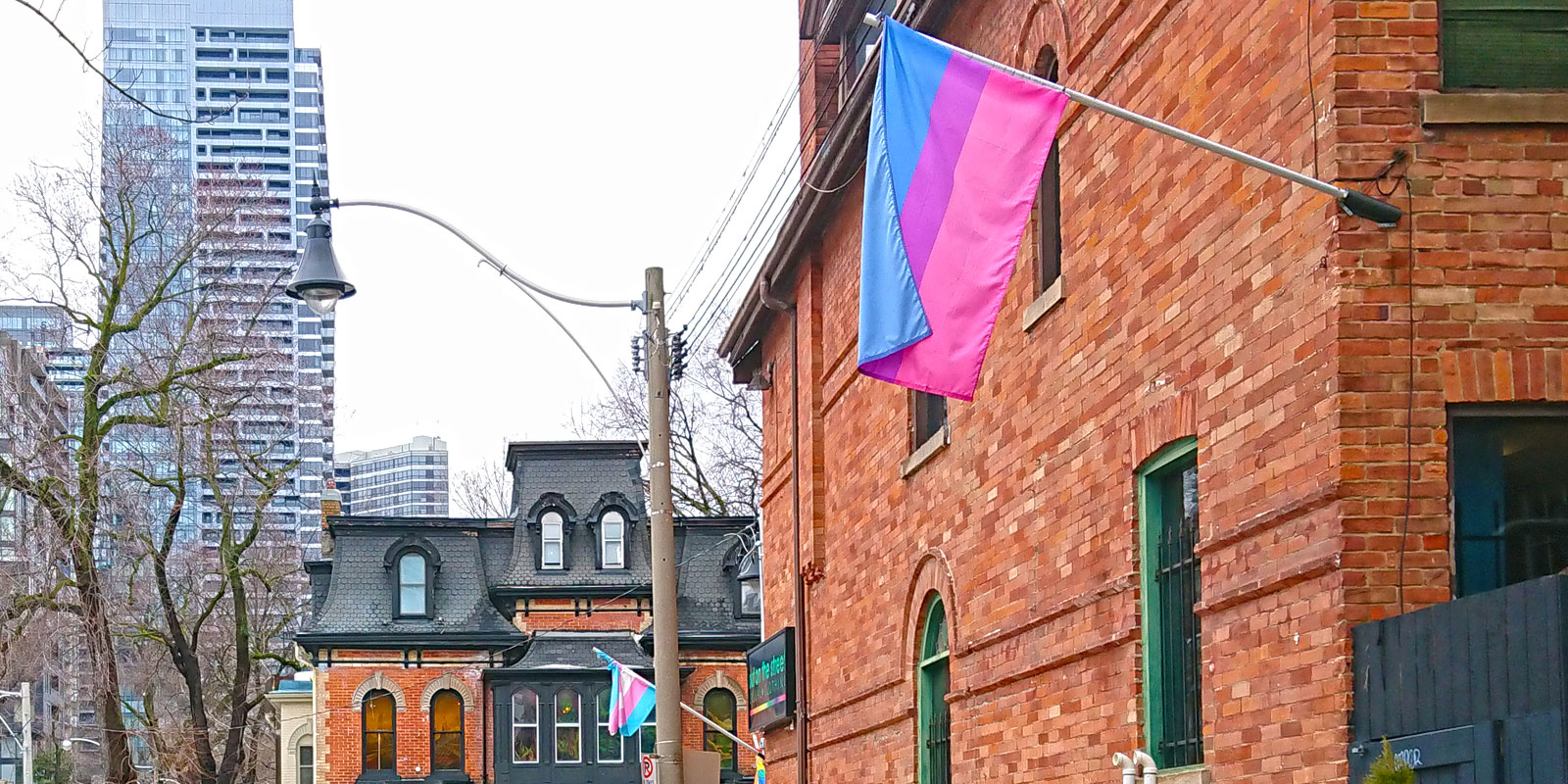
“Transgender” is a broad term. Trans people have a gender identity different from the gender they were born with. “Trans” is a shortform for transgender.
When a trans person is murdered, identifying them as trans can be a problem. Sometimes they will called a transvestite, transsexual or transgender person. A person’s gender identity can be hard to get right, especially if they are dead and unable to say for themselves. These things are never set in stone, and they change depending on time, place, context and on who you’re talking to. Sometimes, years after a murder, the deceased will be identified as a different gender.
We understand the concerns about using a person’s former name, but including all legal names a person had—if known—is a crucial part of accurate historical and legal documentation. This ensures that individuals searching for their loved ones, now or decades from now, can still find relevant information. If someone only knows the name assigned at birth, excluding that name could prevent them from discovering important details.
Additionally, in a time when some institutions are actively erasing LGBTQ+ history and identities, comprehensive documentation is more important than ever. Omitting names risks further silencing these stories. This is not about disrespect; it is about preserving the truth and ensuring that victims are remembered fully and accurately.
We ask that we move past assumptions and accusations. Our intent is to honor the victims, not to erase or misrepresent them.
Some of the trans people who were murdered are:
- Cassandra Do, whose murder is unsolved
- Grayce Baxter, whose body has not been found
- Lisa Janet Black, murdered by a trans woman
- Philip Filshie, a trans man killed by his common-law wife
- Or use our Trans tag to find everyone on the site